SAO 1
Situation:
I took over a Year 5 class for a 10-week period mid-term 3, which posed immediate challenges. The students had been working with their regular teacher for most of the year and were accustomed to their established routines, strategies, and teaching style. This class had a wide range of abilities, from very low-level learners, including several EAL/D students, to high-achieving students who required enrichment. Additionally, the class included students with complex trauma backgrounds, contributing to challenging behaviours that needed careful and consistent management. My role during this 10-week period was not only to manage the classroom environment but also to ensure I collected substantial data for grading, assessments, and writing detailed reports by the end of the term.
Action:
I needed to quickly implement my own teaching style and create new units of
work that accommodated the diverse learning needs of the students. I structured
my lessons to provide differentiated instruction that would engage both
lower-ability and higher-ability students. For assessments, I conducted a
series of diagnostic and formative assessments, including interpreting existing
data from Brite Path, NAPLAN, and PAT testing to better inform my planning. I
graded assessments and provided each student with specific, constructive
feedback, ensuring they understood their areas for improvement and how they
could progress.
To create a safer, more structured environment, I implemented a consistent classroom routine and behaviour management system. This included clear expectations and standards, as well as a positive reinforcement system to encourage good behaviour. I also ensured students felt secure and supported in the classroom by maintaining open communication and reinforcing the idea that the classroom was a safe space for learning. Throughout the term, I was able to address the unique academic and social-emotional needs of the students, adapting my teaching to suit the dynamics of the class.
At the end of the term, I completed final reports, which included general comments as well as detailed feedback for each student in Math and English. My comments were based on the individual data I collected, and I ensured each report reflected both the student’s academic performance and their personal growth over the term.
Outcome:
By the end of the 10 weeks, I had established a classroom environment where students felt safe, supported, and engaged in their learning. They became accustomed to my routines and structures, resulting in a classroom that functioned more smoothly and with fewer disruptions. The students received targeted feedback on their assessments, which helped them understand their strengths and areas for improvement. Challenging behaviours, though still present, were more effectively managed through consistent routines and the introduction of an engaging reward system that motivated positive behaviour. Importantly, I was able to gather sufficient data to confidently write detailed reports, providing an accurate reflection of each student’s academic progress and overall classroom experience.
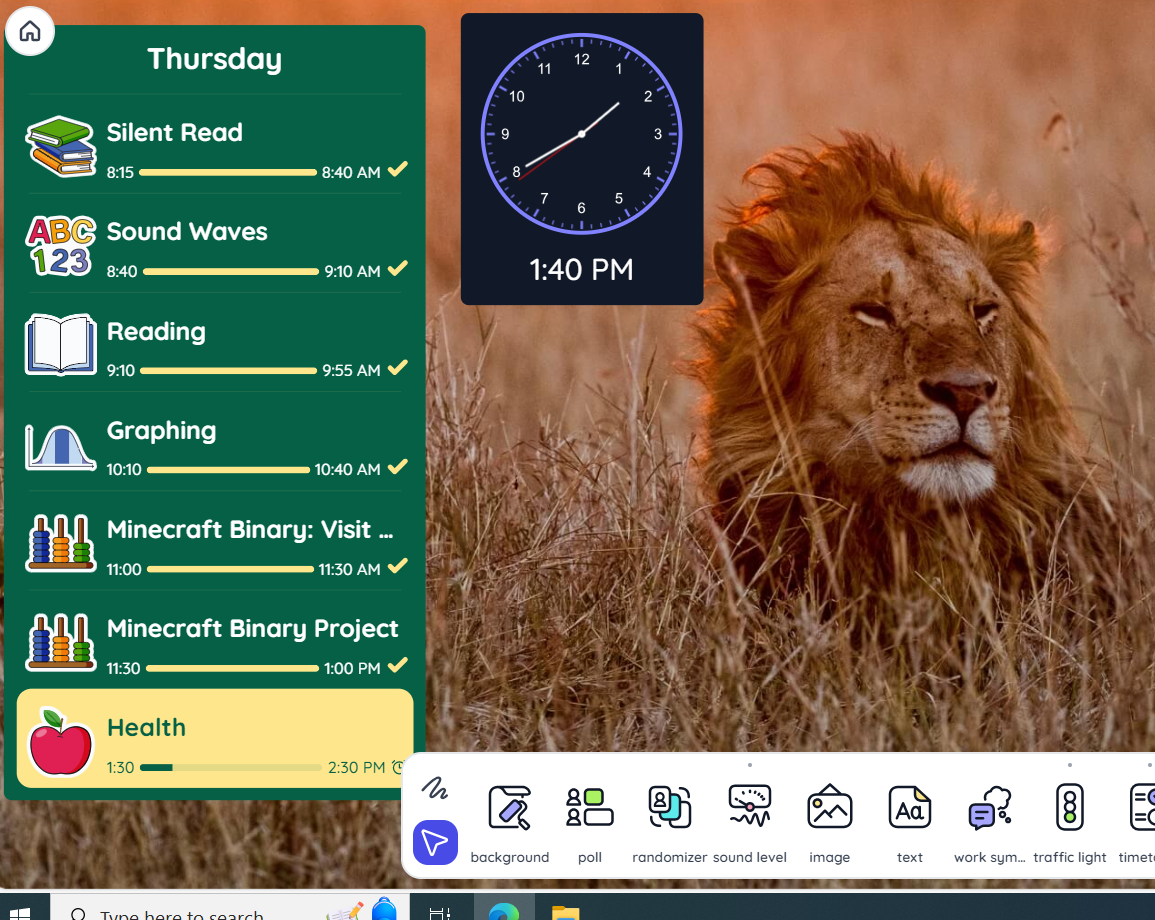
Classroomscreen.com
This is projected on the Smart Board throughout the day. It shows the daily timetable amongst many other classroom management features including Noise control, group maker, timer etc.
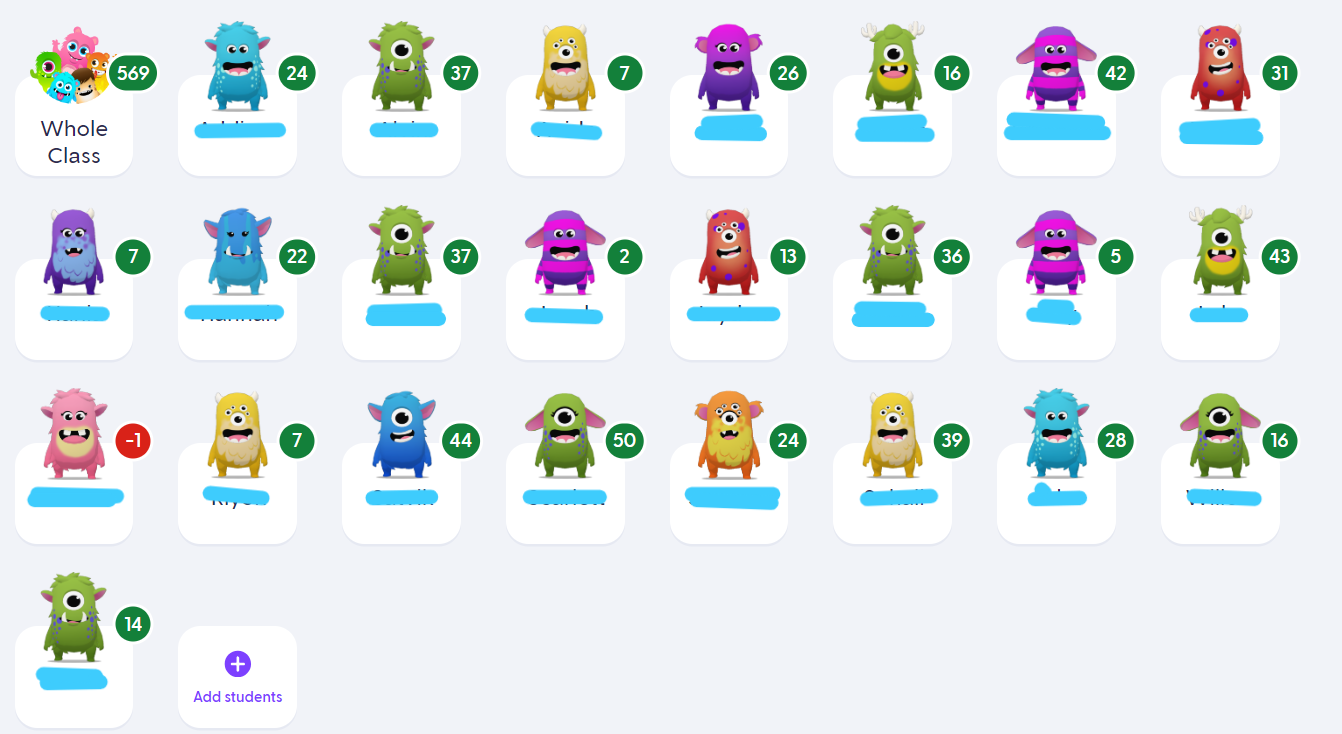
Class Dojo
This is used as a reward/management strategy in which students can earn or lose dojo points for a range of different things. This has already been implemented from the previous teacher, and I continued it throughout my time in this class.
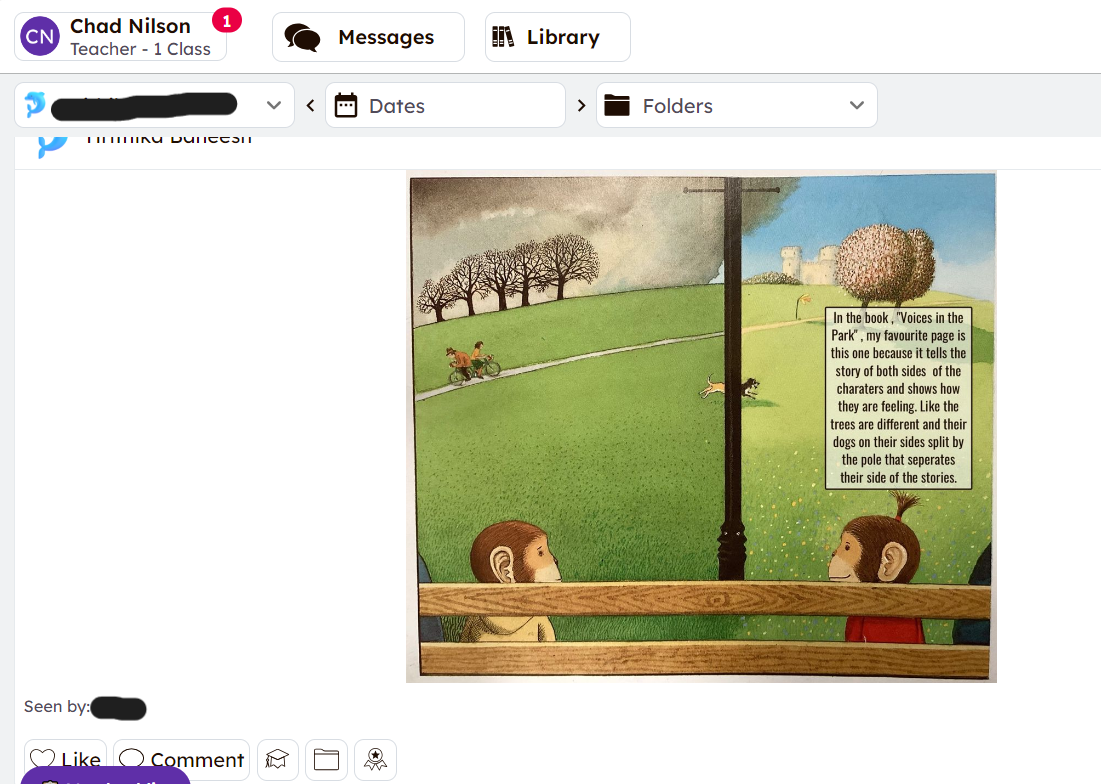
Seesaw
Students can post their work to their Seesaw account where their families are connected and can view the work they submit. It is also used as a direct form of communication to parents.
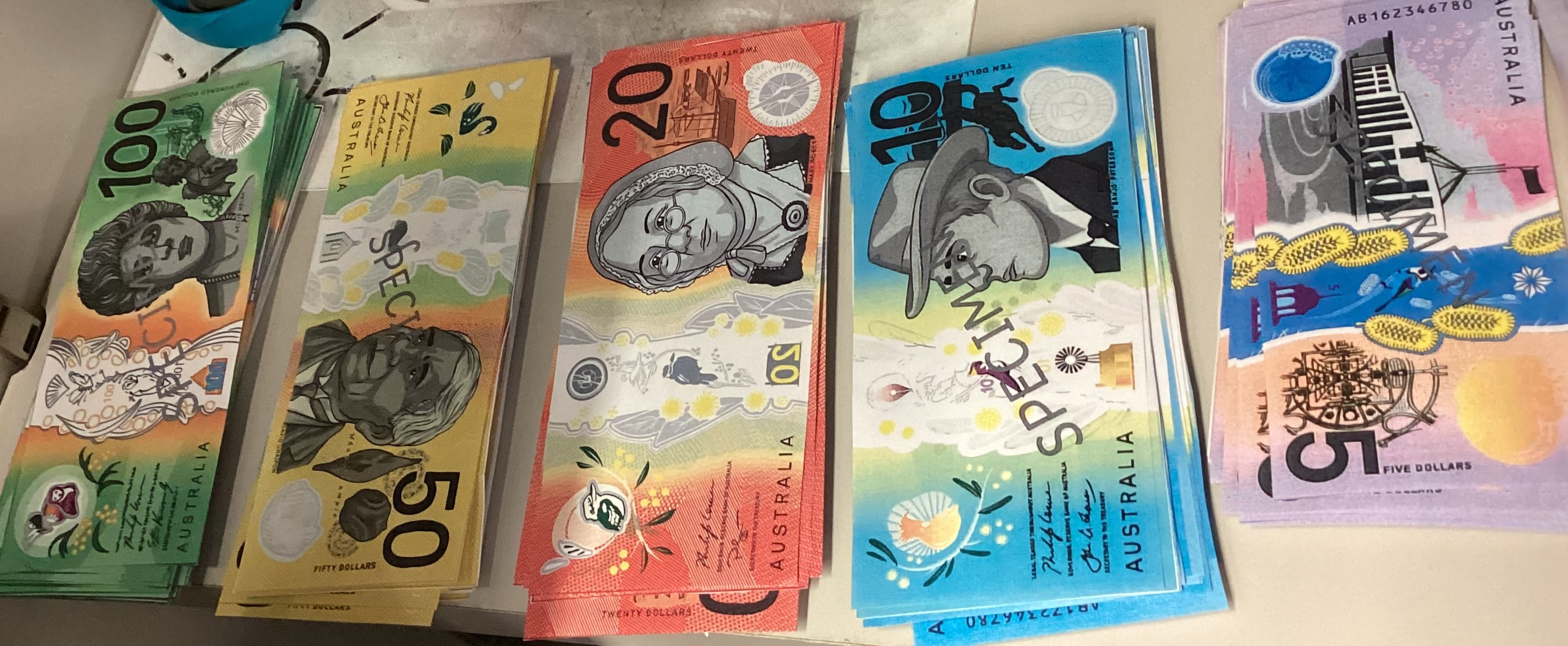
Class Money
I added class money to this class as a form of classroom management. The notes are realistic in appearance, and it was a massive hit with the students. As a bonus, it was an effective way of teaching money in the classroom.
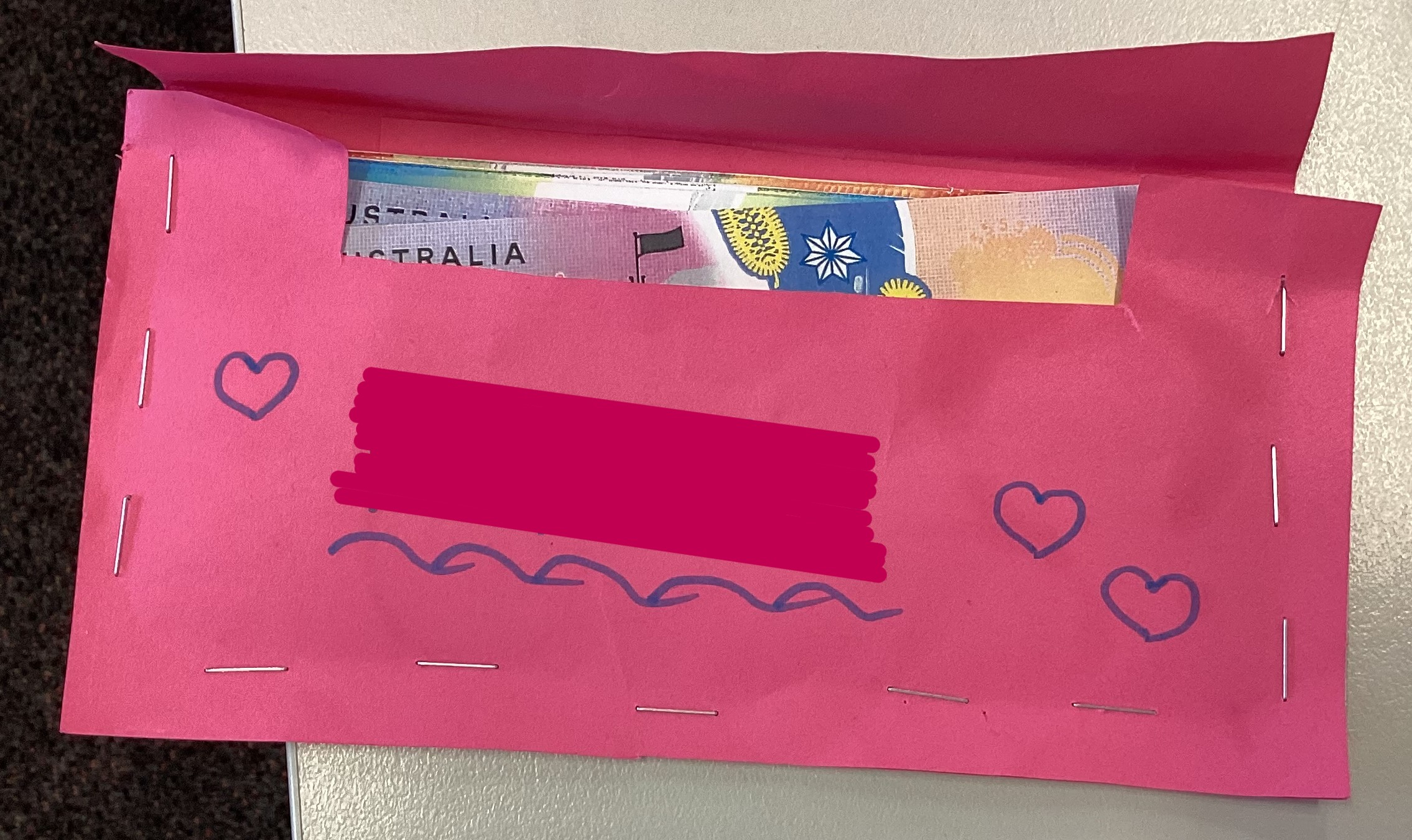
Class Wallets
Students were able to create their own custom wallet to look after the money they earned.
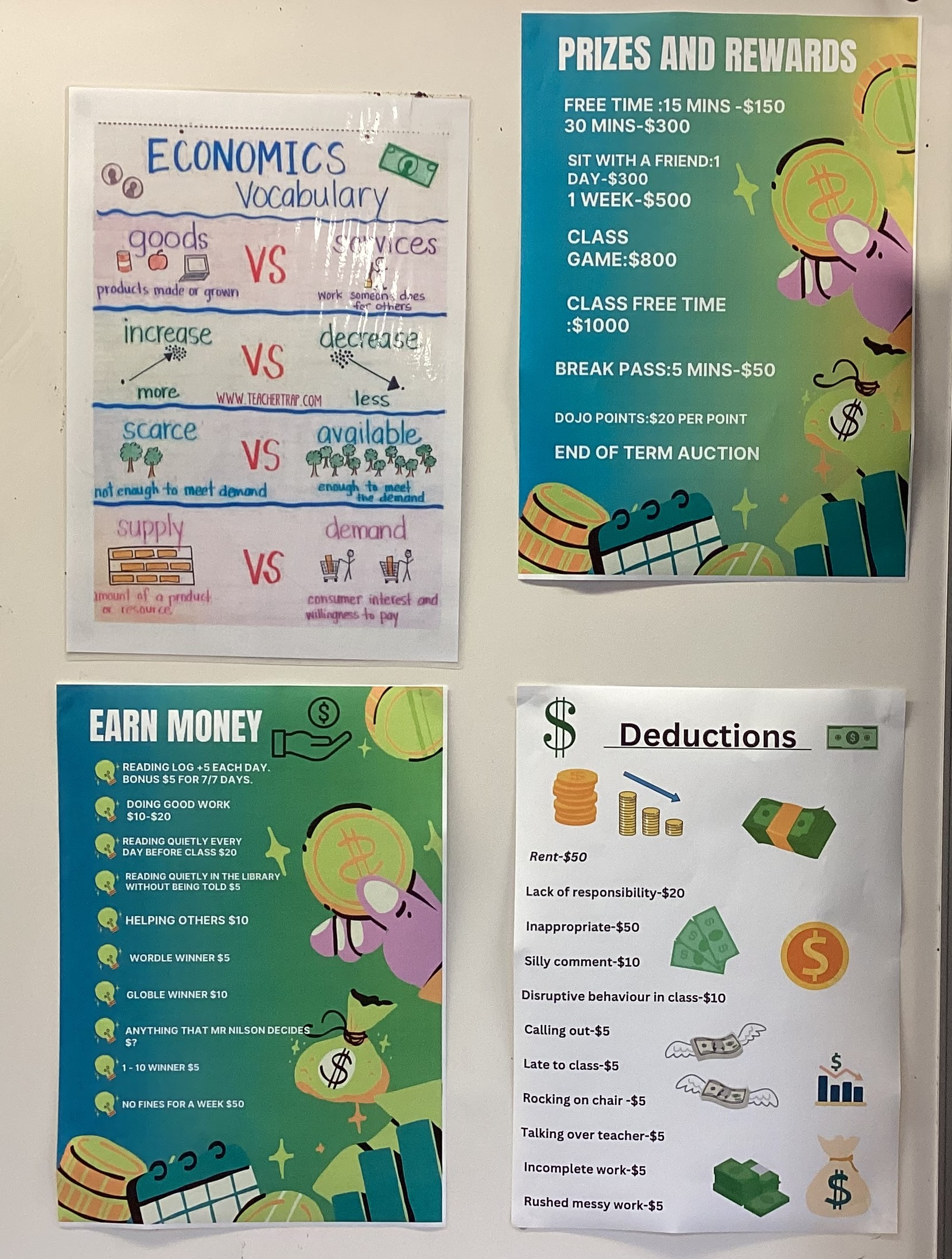
Money Rules
Students came up with the agreed ways of earning money, and also ways of losing money. Students were also expected to pay a weekly rent fee. This also taught the students accountability and responsibility for their things, actions and their work.